
VOLUNTEERS ARE HOW healing travels
When crisis hits a community, trained volunteers are what make it possible to show up quickly, stay meaningfully, and come back. You don't need to be an artist or a therapist. You need to be willing to be present. We'll teach you everything else.
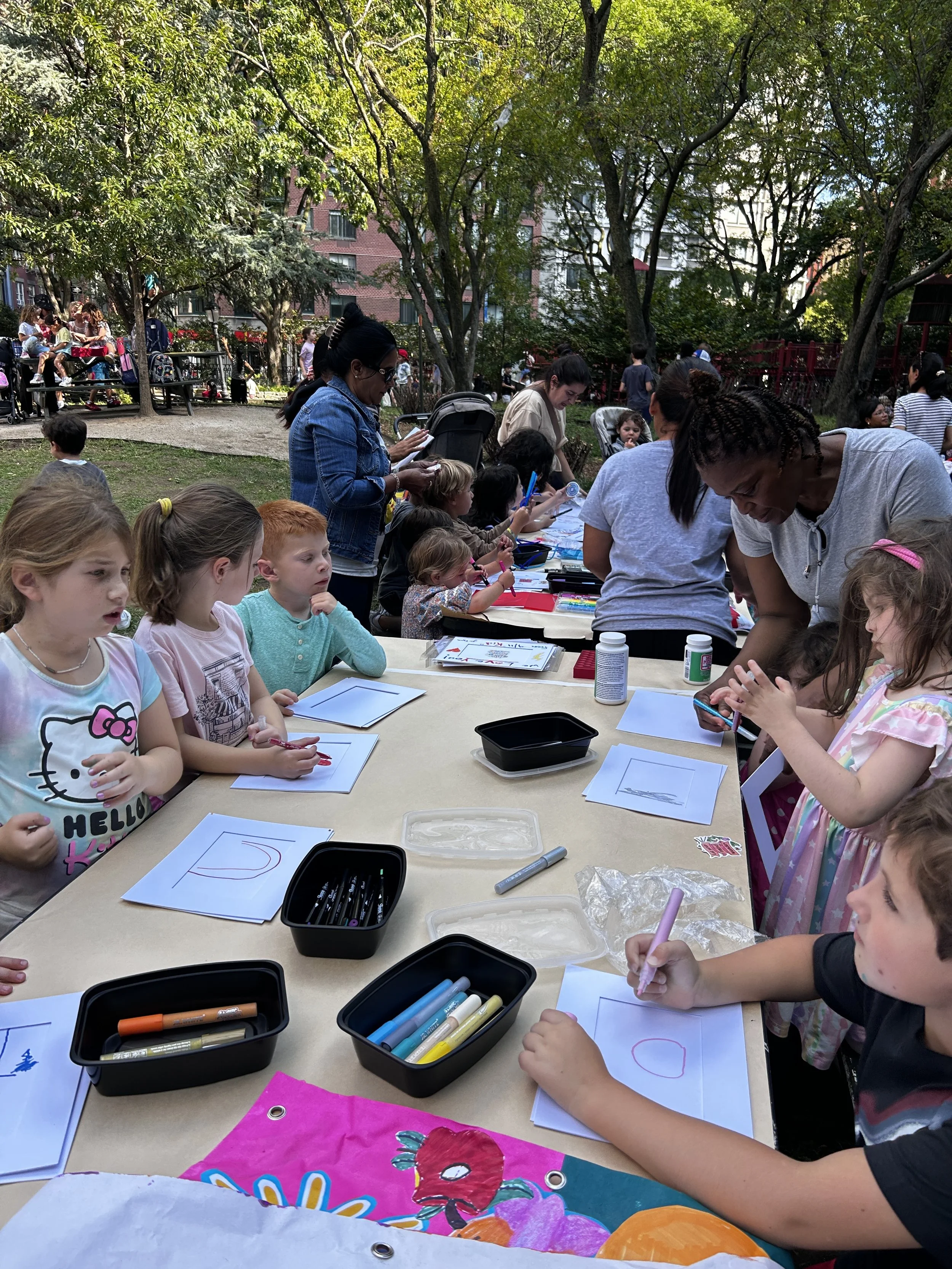
BUILDING A VOLUNTEER FORCE in every state
Crisis doesn't stay in one place. Neither do we. Our national volunteer network means that when a community needs healing support, trained people are already nearby — ready to show up without waiting.
All 50 States — Volunteer Coverage
GrowingSupport Gatherings
Set up spaces, prepare materials, welcome participants, and help create a room where survivors can express what words can't hold — alongside trained facilitators.
Deliver Frame Forwards
Carry hand-painted frames to communities in active crisis — a tangible message from people who understand what it's like to be where they are right now.
Lead & Build Locally
As you grow, facilitate gatherings independently, propose activations in your own community, and help build THF's presence in your region and state.
A NATIONAL NETWORK IS HOW we stay
The hardest part of community healing work isn't showing up on day one. It's being there for month six, when the outside world has moved on and a community is expected to be "fine" by now.
A trained volunteer base — distributed across the country, rooted in local communities — is what makes sustained presence possible at scale. It's what allows THF to respond within days, not weeks, and to be a familiar face long after the initial response.
Rapid Local Deployment
Trained volunteers near affected communities mean we can be there fast — before isolation sets in and after the first responders have left.
Long-Term Capacity
Local volunteers become local champions — hosting gatherings, building partnerships, and keeping THF connected to the communities they already know.
Geographic Reach
Every new state with trained volunteers is another region where healing doesn't have to wait for a flight to be booked or a team to be assembled from scratch.
Lived Experience in the Room
Many THF volunteers are themselves survivors. That presence — people who've been there and chose to show up for someone else — changes the room in ways no credential can.
Every facilitator started as a volunteer. Pick the path that fits your life right now — there's no wrong entry point, and you can always deepen your involvement later.
Community Member
Stay connected from wherever you are. Receive updates, attend public events, share our work, and support when you can. This is how most people start.
Active Volunteer
Be in the room. Support trained facilitators and help create safe gathering spaces for survivors and community members to create alongside each other.
Certified Facilitator
Lead gatherings and represent The Holding Frames independently in your community and region. Certification includes Psychological First Aid training.
Not sure where to start? Sign up as a Community Member — you can always upgrade your involvement anytime.
Licensed Clinicians
Art Therapists (ATR, ATR-BC), LCSWs, LPCs, and other licensed mental health professionals add important clinical depth to THF gatherings. Same training path — your credentials are recognized and integrated, not replaced. Reach out about clinical facilitation
What We'll Provide
Clear expectations — your time, your role, and exactly what you're signing up for before you commit to anything
Orientation and support for every role — no one gets thrown into a gathering without knowing what to do
Trauma-informed culture that extends to volunteers — boundaries matter, and burnout is something we work to prevent
Flexibility when life changes — we know commitments shift, and we'd rather hear about it than lose you entirely
What We Hope For
Reliability — if you say you'll be there, we're counting on you; if plans change, just let us know
Open communication about your capacity, your boundaries, and anything that's not working
Confidentiality — what you witness in gatherings stays there; participants trust us with their most vulnerable moments
Willingness to learn — we'll teach you what trauma-informed really means in practice, not just in theory
Sign up in two minutes. Start where you are. Help us build a network that means healing doesn't have to wait.
Join the Network